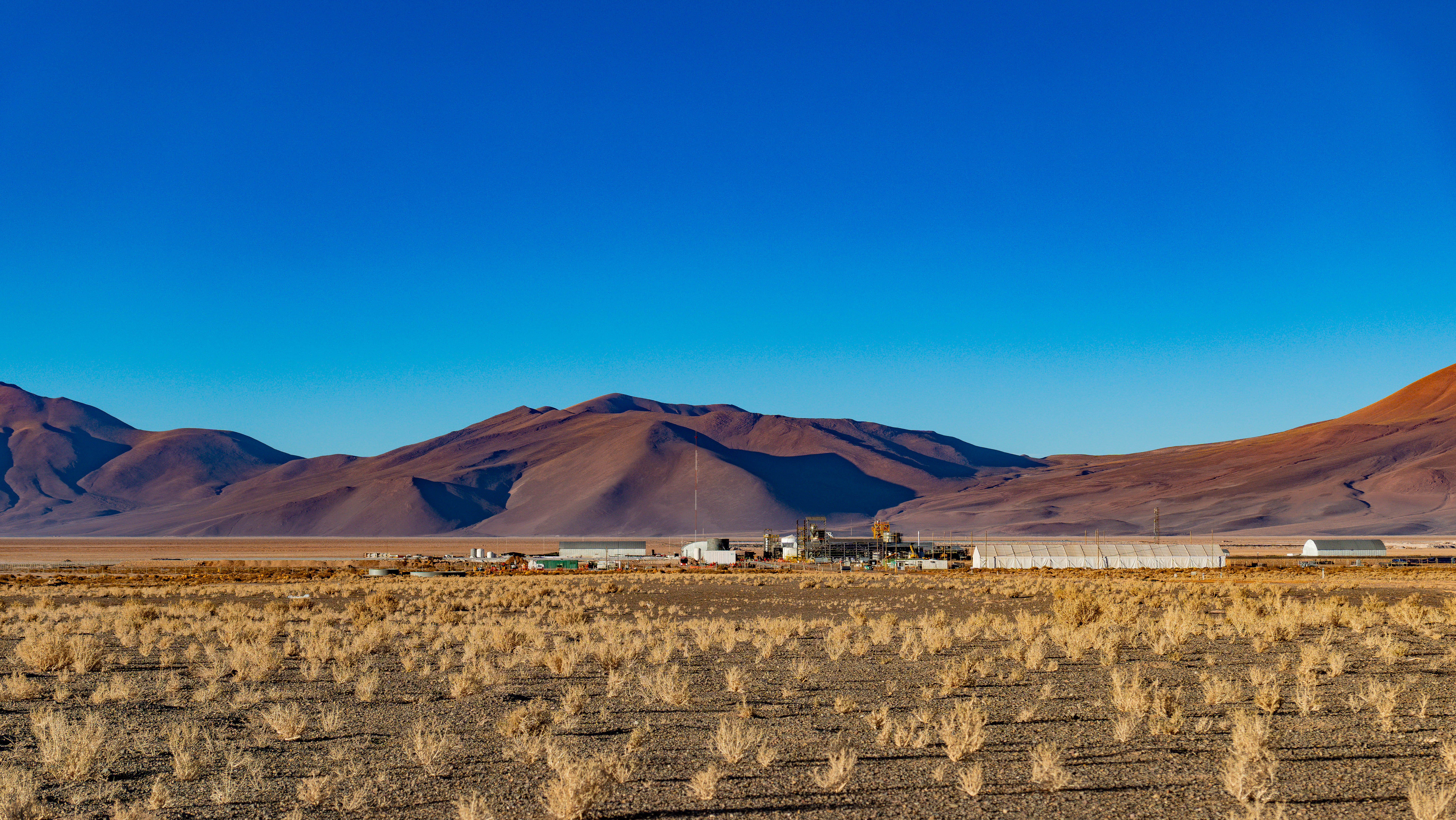
Salar del Rincón: located at approximately 3,760 metres above sea level, the project is in Salta, in the Puna region
3000 tkpa: battery grade lithium carbonate production capacity
Sustainable: low carbon footprint lithium operation
Innovative: direct lithium extraction technology for resource optimization
High potential: direct production from raw brine with high Lithium recovery rates
Local content: direct investment in communities and regional economic development
"Rincon strengthens our battery materials business
and positions Rio Tinto to give response to the
growing demand for lithium over the next decade. We
are working with local communities, the Province of
Salta and the Government of Argentina as we develop
this project to the highest ESG standards.”
(Rio Tinto Chief Executive Jakob Stausholm).
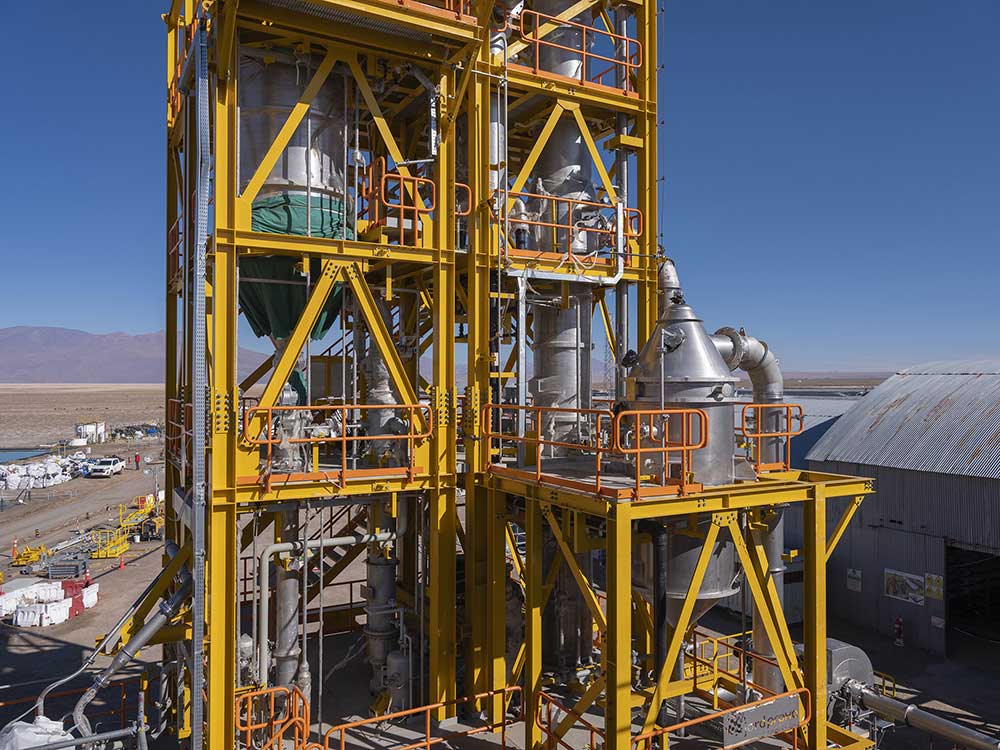
The direct lithium extraction technology proposed for the project has the potential to significantly increase lithium recoveries.
Rincon Lithium and the future of the lithium
Lithium is an essential ingredient in lithium-ion batteries for hybrid and electric cars, as well as rechargeable power for laptops, phones and other devices. It is the lightest of all metals, making it well suited for use in everything from pacemakers to jets.
Lithium is considered a critical mineral and an essential material for a low-carbon future where we'll need more and bigger batteries. That means we'll also need huge amounts of minerals like lithium, which is a primary ingredient in battery technologies. In early 2022, Rio Tinto completed the acquisition of our Rincon project—a large, undeveloped lithium-brine project located in the heart of the “lithium triangle” in Argentina. A long-life, scalable resource capable of producing battery-grade lithium carbonate from raw brine, the project will help the company deliver this vital material to the global energy industry while meeting it’s commitment to decarbonize all the operations by 2050.
We are now developing a small starter battery-grade lithium carbonate plant with a capacity of 3,000 tonnes per year and production is expected to commence by the end of 2024.
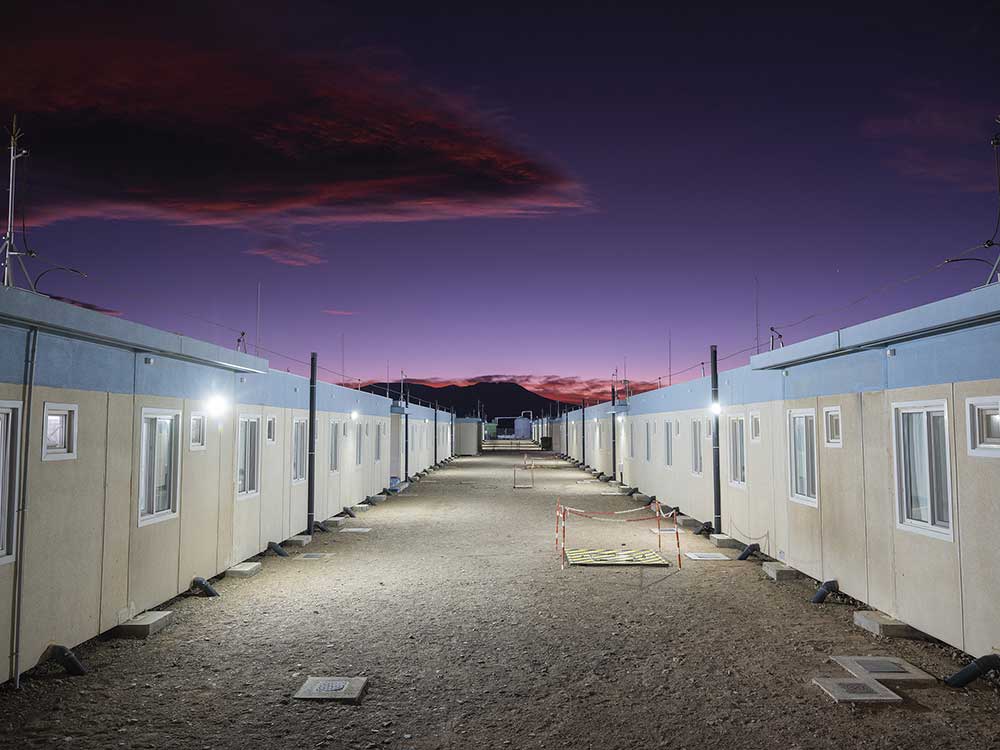
Our initial investment also includes early works to support a full-scale operation, including power line and associated substations, construction camp and airstrip.
We are also conducting studies, developing our strategy and timing, and securing updates to existing environmental impact assessment permits. We will be engaging with local communities, the Province of Salta and the Government of Argentina to ensure the project is developed to the highest environmental, social and governance standards.