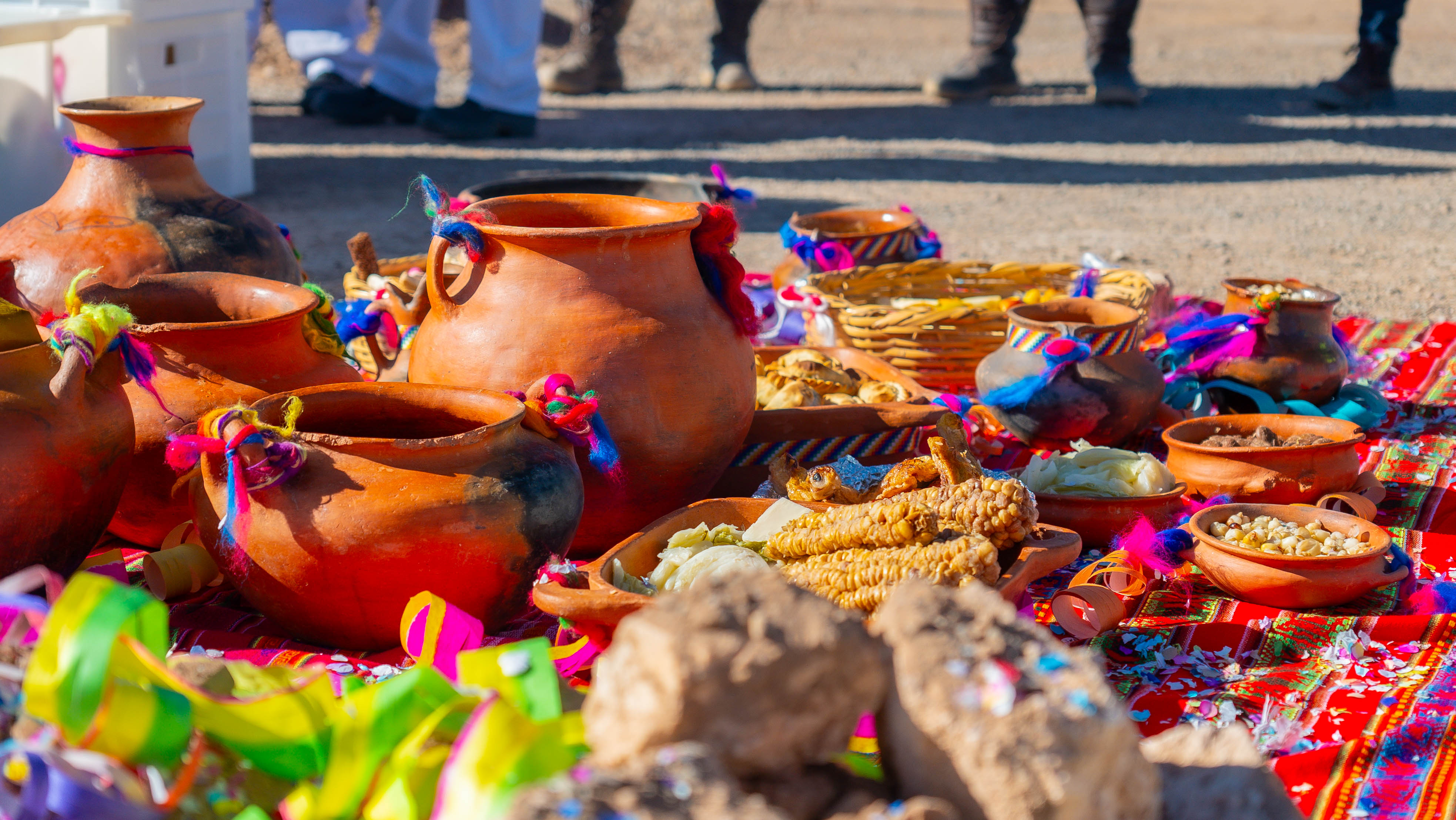
We know our operations can have far-reaching impacts on society. We want to contribute to a shared future and positive legacy by developing lasting relationships with people, learning about and supporting their goals and aspirations, avoiding or mitigating adverse impacts, and respecting different cultures and connections to lands and waters.
We are finding better ways to work with communities and Indigenous peoples, particularly in how we protect heritage. We are working to deliver more enduring socioeconomic, heritage and environmental outcomes.
We work hard to leave a lasting, positive legacy everywhere we work. Our long-term economic contribution is one way we do this. We also support local communities to thrive and become more resilient over the long term.
Our economic contribution includes the taxes paid to local and national governments, dividends to shareholders, the direct and indirect employment we create, procurement opportunities and investment in community programmes. Our payments to suppliers form a significant part of our global economic contribution, and our impact on regional economic development.
How we work with communities
Everywhere we work, through all stages of the life of our operations, we respect and support all internationally recognised human rights, in line with the United Nations’ Universal Declaration of Human Rights and the United Nations Guiding Principles for Business and Human Rights.
Our communities and social performance standard defines the way we engage communities, and outlines the steps we take to identify and manage social, economic, environmental, cultural and human rights impacts throughout the life cycle of our projects, from exploration, to project development, to operation and closure. It also outlines our approach for managing and responding to community concerns and complaints, as well as closing operational sites.
Our teams – everyone from archaeologists and economic development experts to human rights specialists and our operational leaders – work in partnership with our communities to understand how our work affects their lives, their culture and their heritage. By doing so, we can respond to community concerns and work to optimise benefits and reduce negative impacts, both for the local community and for the company.
We consult and engage with our communities regularly, in good faith, and in ways that are transparent, inclusive, and culturally appropriate. For example, we often have community information centres in local towns and villages and toll-free contact numbers community members can call with questions or complaints.
We seek to ensure that our engagement practices respect human rights, that diverse voices are heard and that vulnerable and “at risk” groups can participate in engagement processes. As part of this engagement, we address community concerns, needs and priorities.
In addition, we only award work to contractors who are able to comply with and deliver our Group and site-specific communities and social performance requirements, as well as any local requirements. We also look for ways to increase our leverage to help our business partners respect human rights in line with international standards.
Consultation and engagement
In Rincon we have process of dialogue with host communities and other stakeholders, in a way that is meaningful, rights-based, gender sensitive, culturally appropriate, and works to build relationships of trust and respect between host communities and the business.
Local, diverse and sustainable procurement
We work hard to leave a lasting, positive legacy everywhere we work. As part of this, we strive to buy local products and engage local services.
Our mining operations are a broad ecosystem, and we need a broad and diverse range of suppliers from Indigenous businesses to local and small enterprises to support them.
It’s vital our operations contribute to the local communities they are part of because a strong local economy helps create a strong local community.
We have a choice about what and where we purchase. Through procurement initiatives, we help create jobs for local residents and new opportunities for local businesses including the opportunity to supply us with goods and services.
Protecting cultural heritage
Many of our operations are on or near land that is significant to many, including Indigenous communities. We remain committed to achieving best practice cultural heritage management. We will continue to work with Indigenous peoples and communities to ensure we better understand their priorities and concerns, minimise our impacts, and responsibly manage Indigenous cultural heritage within our operations.
We consider both tangible and intangible cultural values as part of cultural heritage. Wherever we can, we design our activities to avoid damage to non-replicable cultural heritage.
We also invest in activities that help preserve intangible cultural values that may be affected by our operations. Prior to starting work, all employees and contractors interacting with communities, and in particular, Indigenous peoples, are informed about our communities and social performance policies and programs, as well as the local community context.
We have a choice about what and where we purchase. Through procurement initiatives, we help create jobs for local residents and new opportunities for local businesses including the opportunity to supply us with goods and services.
Site conservation
We work with Indigenous peoples to look after cultural places or objects. This can include fire management, feral animal management, erosion control, installation of protective and interpretative signage, auditing, monitoring and measuring the condition of sites, and managing public access.
Archaeological surveys
We work with qualified archaeologists and land-connected peoples to find and record archaeological sites and objects.